
|
If You Want to Solve World Hunger, First Understand Farmers
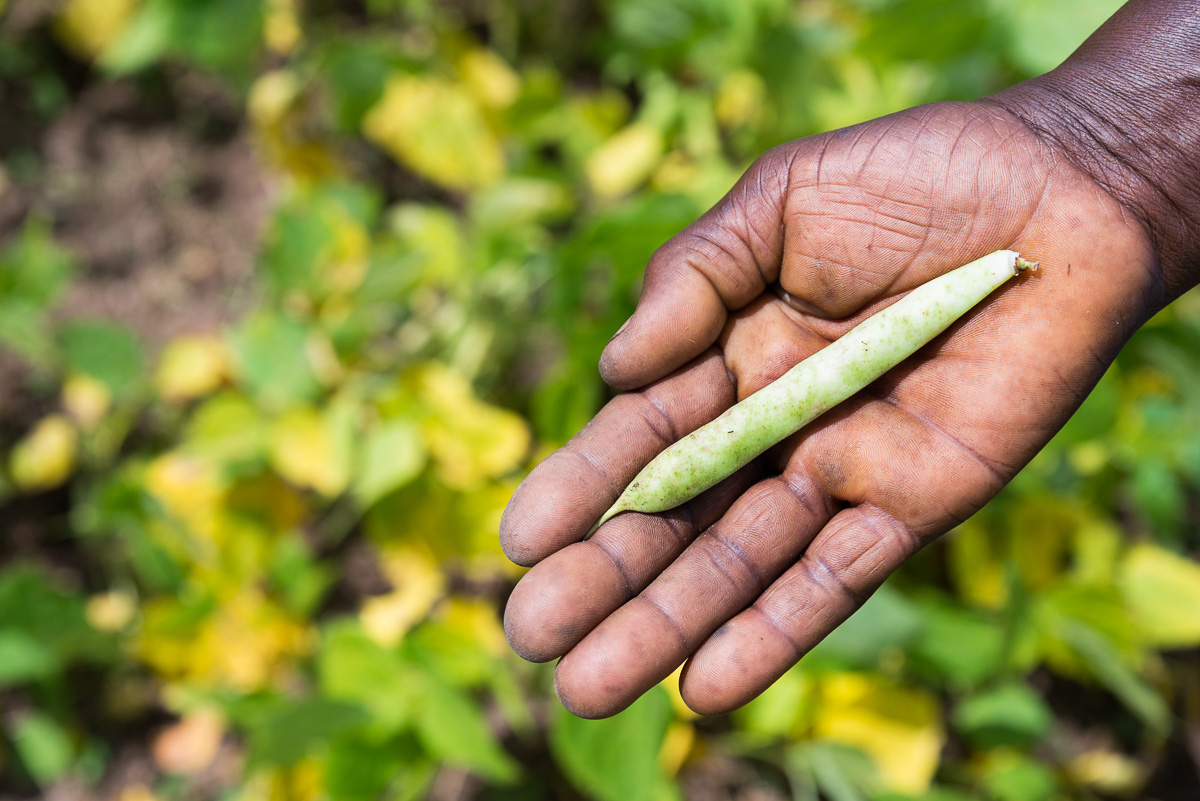 On January 1, 2016, the new United Nations Sustainable Development Goals (SDGs) came into effect, creating a new international development agenda for the next 15 years. These 17 goals will mobilize international agencies, governments, NGOs, and the private sector to help tackle such enduring problems as persistent poverty, climate change, and gender inequality. On January 1, 2016, the new United Nations Sustainable Development Goals (SDGs) came into effect, creating a new international development agenda for the next 15 years. These 17 goals will mobilize international agencies, governments, NGOs, and the private sector to help tackle such enduring problems as persistent poverty, climate change, and gender inequality. Among the most important goals for both myself and Global Communities is the second goal: "End hunger, achieve food security and improve nutrition and promote sustainable agriculture." These goals are ambitious, and working to achieve them will go a long way towards alleviating human suffering and expanding human potential. They also identify that hunger in the developing world doesn't just mean a lack of food; it can mean inadequate nutrition that has a negative impact on health and cognitive development, especially for children, which has ongoing effects for the rest of someone's life. The ambition of this goal is a double-edged sword, however, as it highlights the challenge in achieving it over the next 15 years. The problems of hunger and nutrition are very complex, but I believe they can be solved with targeted, evidence-based investments, especially in those who have one of the most important roles in fighting hunger: farmers. It' been a long evolution to start getting the international development community to realize that farmers are part of both an agricultural system and a community system. We need to support both aspects, looking at farmers as part of both an economic sector and as part of a community. Programs tend to focus on one or the other, but we at Global Communities have seen the success that happens when these approaches are used in tandem. Our experience shows that we need much more investment in farmers' organizations such as cooperatives and associations. Cooperatives are one of the best ways to reach large numbers of smallholder farmers to achieve scale, purchase large quantities of inputs at a reduced price and provide a market access point for buyers. The private sector actors that control international and national markets are simply not interested in small quantity and poor quality produce grown by smallholders. Yet, through cooperatives and associations, smallholder farmers are able to reach scale and ensure quality with the help of technical capacity building and governance training. Cooperatives also represent a community-based audience for introducing improved nutritional practices, opportunities for strengthening democratic values, introducing natural resource management, and promoting gender equality. 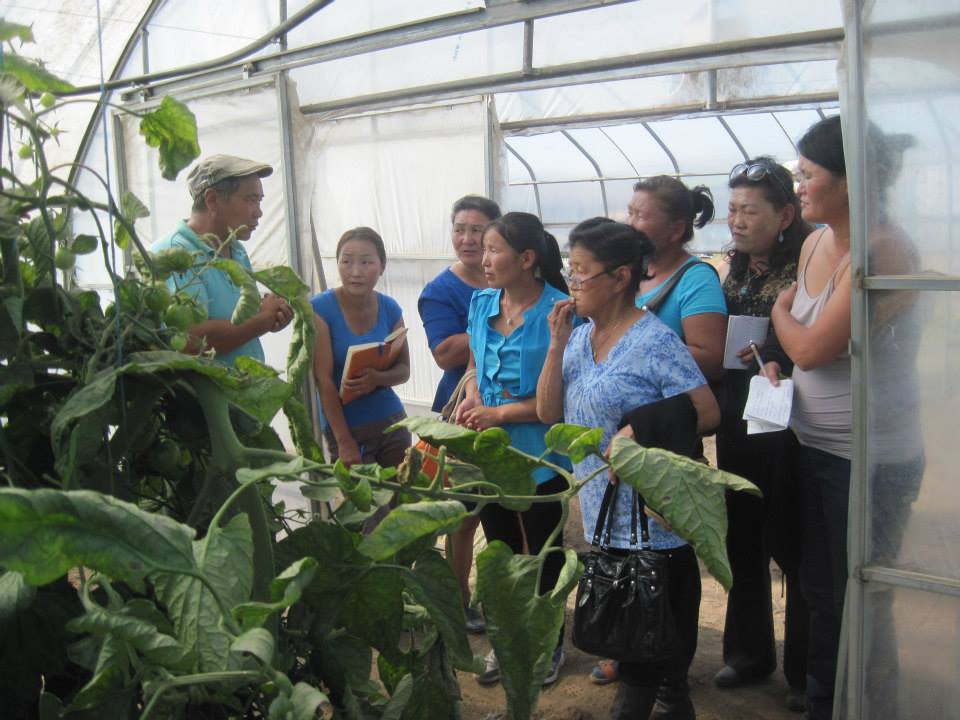 We've seen this approach succeed, partnering with USAID on the Cooperative Development Program, which works with over 70 cooperatives in Mongolia, Rwanda, Uganda and Kenya. In Mongolia, cooperatives have learned how improving production methods can change the entire domestic market. Building more than 40 greenhouses for high-value vegetables and 50 improved shelters for dairy cows, they have extended their growing season by an average of 80 days and are able to keep their cows productive in one of most extreme climates on earth. As a result of support provided directly by the private sector, three Mongolian cooperatives have invested in their own dairy processing centers and are developing their own products that are now sold in supermarkets in Ulaanbaatar. We've seen this approach succeed, partnering with USAID on the Cooperative Development Program, which works with over 70 cooperatives in Mongolia, Rwanda, Uganda and Kenya. In Mongolia, cooperatives have learned how improving production methods can change the entire domestic market. Building more than 40 greenhouses for high-value vegetables and 50 improved shelters for dairy cows, they have extended their growing season by an average of 80 days and are able to keep their cows productive in one of most extreme climates on earth. As a result of support provided directly by the private sector, three Mongolian cooperatives have invested in their own dairy processing centers and are developing their own products that are now sold in supermarkets in Ulaanbaatar. 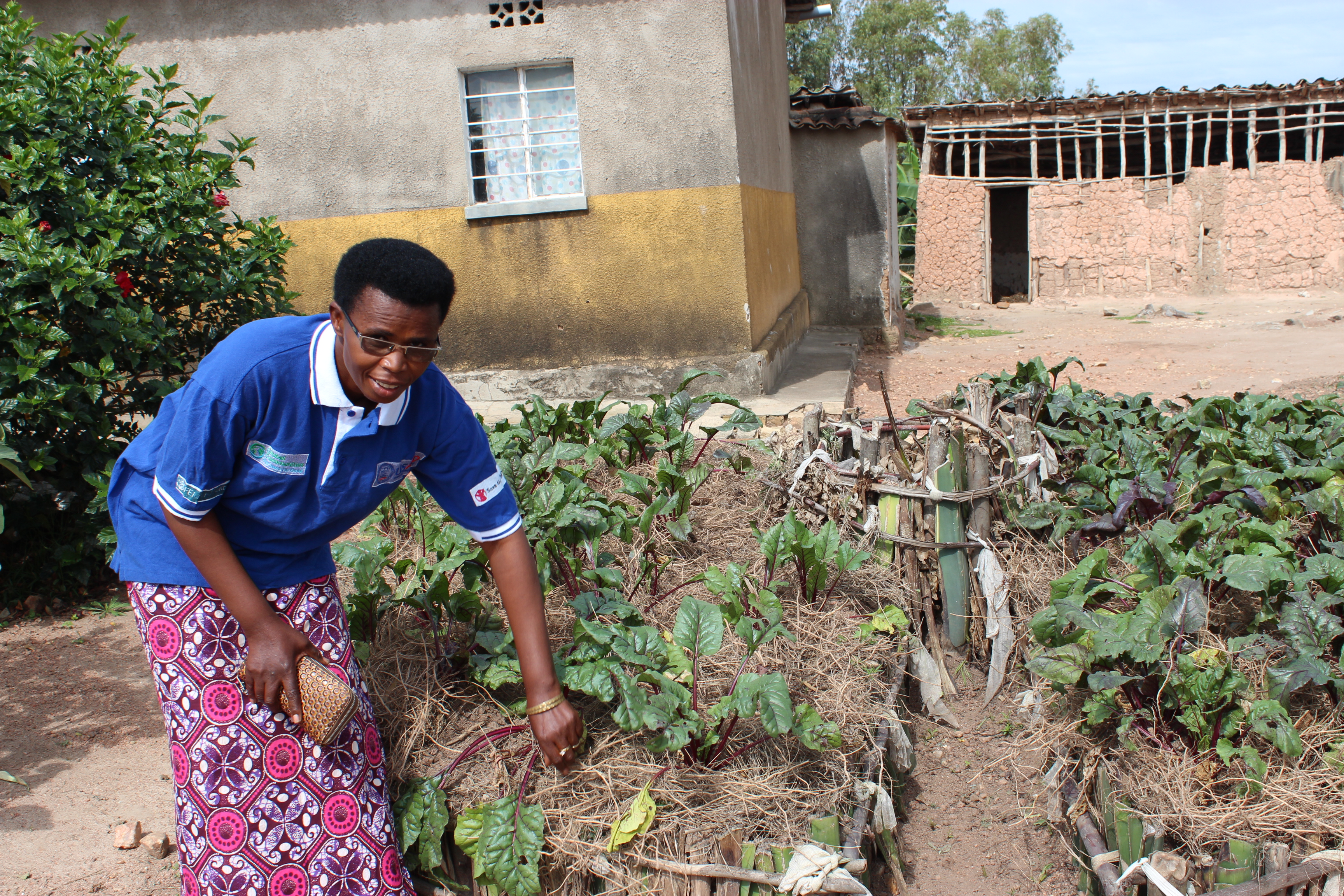 If we are going to be able to achieve this aspect of the SDGs, we also need much more investment in farmer training and extension, especially for women. Governments need to invest in and develop large and modern networks capable of providing on-the-ground support for farmers. These approaches need to be gender-sensitive to provide the right kind of support to female farmers, which may be different than the support needed by males. For instance in Rwanda, lack of communication between spouses regarding household and farming priorities was a constant roadblock, as was the fact that there was a disproportionate burden of work on women. As part of the USAID-funded Integrated Improved Livelihoods Program in Rwanda known locally as Ejo Heza (which means "Brighter Future"), Global Communities developed the Gender Action Learning System (GALS) to help address these issues. GALS enables the full inclusion of women and men, making them equal and respected partners in the improvement of their lives. The GALS pilot has had profound effects. Many groups reported that GALS helped them better understand the meaning of gender equality. One female participant explained that now she understands gender equality as not only equality between men and women but also discussing problems and planning together for their future. And male participants learn that when a woman is empowered, she can contribute more to the family. If we are going to be able to achieve this aspect of the SDGs, we also need much more investment in farmer training and extension, especially for women. Governments need to invest in and develop large and modern networks capable of providing on-the-ground support for farmers. These approaches need to be gender-sensitive to provide the right kind of support to female farmers, which may be different than the support needed by males. For instance in Rwanda, lack of communication between spouses regarding household and farming priorities was a constant roadblock, as was the fact that there was a disproportionate burden of work on women. As part of the USAID-funded Integrated Improved Livelihoods Program in Rwanda known locally as Ejo Heza (which means "Brighter Future"), Global Communities developed the Gender Action Learning System (GALS) to help address these issues. GALS enables the full inclusion of women and men, making them equal and respected partners in the improvement of their lives. The GALS pilot has had profound effects. Many groups reported that GALS helped them better understand the meaning of gender equality. One female participant explained that now she understands gender equality as not only equality between men and women but also discussing problems and planning together for their future. And male participants learn that when a woman is empowered, she can contribute more to the family. Food is something that unites us all, but for too many, food remains a luxury that is out of reach. Now, with the new Sustainable Development Goals, we have a new incentive to empower farmers and consumers across the globe so that many more people around the world will have access to nutritious food, helping them lead productive and meaningful lives. -- This feed and its contents are the property of The Huffington Post, and use is subject to our terms. It may be used for personal consumption, but may not be distributed on a website.  More... |
| All times are GMT. The time now is 06:19 PM. |