
|
|
|||||||
| Register | FAQ | Calendar | Today's Posts | Search |
|
|
Thread Tools | Search this Thread | Display Modes |
|
#1
 12-09-2015, 02:08 PM
|
|||
|
|||
 15 Yoga Poses for Stress Relief
Yoga can help you cope with stress and improve overall health and satisfaction with life. In a national survey, over 85 percent of people who did yoga reported that it helped them relieve stress. Exercise is a very useful way to relieve stress, but yoga is different from spinning class or a gym session because it powerfully combines both physical fitness with an underlying philosophy of self-compassion and awareness. One of the main concepts in yoga is being non-judgmental toward both yourself and others, which is a powerful tool for stress relief since much of our stress comes from us being hard on ourselves or frustrated with others.
A fundamental principle of yoga is that your body and mind are one and connected. Stress in one domain will affect the other and vice versa. Many of us live primarily in either our mind or our body, which creates imbalance and even a lack of awareness. For example, people with very analytical careers may spend a lot of time in their mind, and may not realize how much tension is stored in their body. Or if you're an athlete, you may be keenly aware of your body, but could benefit from becoming more aware of your mental state. Wherever you fall on this spectrum, yoga you helps balance and tone the connection between your body and mind. Yoga also trains your counter-stress response system called the parasympathetic nervous system. With regular yoga practice, your chronic daytime stress hormone levels drop and your heart rate variability increases, which is measure of your ability to tolerate stress. This has been shown to improve even after a few sessions of yoga. How can you integrate yoga into your daily life to reduce stress levels? 1. Use your breath. Breath is key to connect to your body and turn down the dial of stress.
2. Try these yoga poses for stress relief, and use your Ujjayi breath to hold each pose about 10 to 15 breaths, depending on how long it is comfortable for you. You can also combine these poses with a soothing Moon Salutation sequence, a gentle sister version to the Sun Salutation sequence. Standing Forward Bend [FONT='Helvetica Neue',Helvetica,Arial,sans-serif] [/font] Wide-Legged Forward Bend [FONT='Helvetica Neue',Helvetica,Arial,sans-serif] [/font] Low Lunge [FONT='Helvetica Neue',Helvetica,Arial,sans-serif] [/font] Twisted Lunge [FONT='Helvetica Neue',Helvetica,Arial,sans-serif] [/font] Fierce "Chair" [FONT='Helvetica Neue',Helvetica,Arial,sans-serif] [/font] Yogi Squat / Garland [FONT='Helvetica Neue',Helvetica,Arial,sans-serif] [/font] Lizard 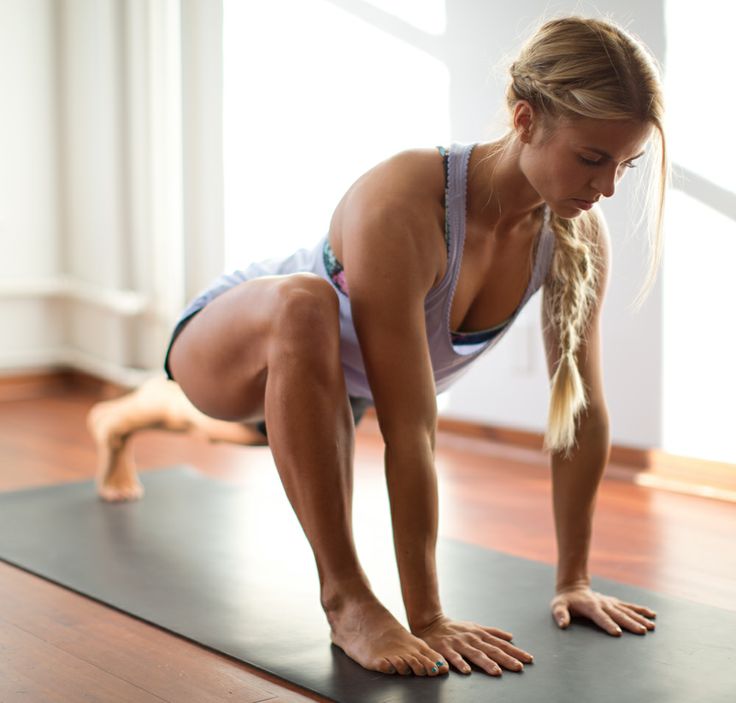 [FONT='Helvetica Neue',Helvetica,Arial,sans-serif] [/font] Half Pigeon [FONT='Helvetica Neue',Helvetica,Arial,sans-serif] [/font] Bound Angle [FONT='Helvetica Neue',Helvetica,Arial,sans-serif] [/font] Seated Spinal Twist [FONT='Helvetica Neue',Helvetica,Arial,sans-serif] [/font] Reclined Bound Angle 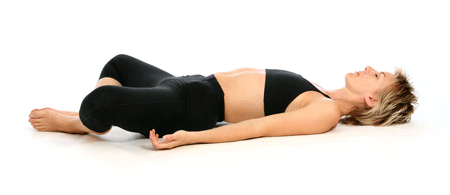 Reclined Hero [FONT='Helvetica Neue',Helvetica,Arial,sans-serif] [/font] Easy Supine Spinal Twist [FONT='Helvetica Neue',Helvetica,Arial,sans-serif] [/font] Happy Baby 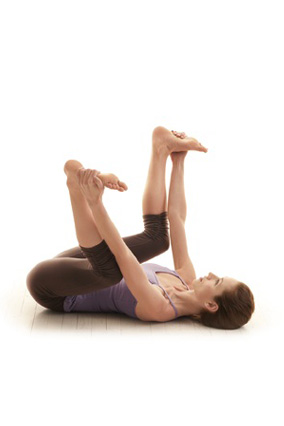 Legs Up the Wall [FONT='Helvetica Neue',Helvetica,Arial,sans-serif] [/font] Dr. Wei is a psychiatrist, certified yoga teacher, and author of The Harvard Medical School Guide to Yoga. Connect with Dr. Wei on Facebook / Twitter / www.harvardguidetoyoga.com -- This feed and its contents are the property of The Huffington Post, and use is subject to our terms. It may be used for personal consumption, but may not be distributed on a website.  More... 
|


 Threaded Mode