
|
|
|||||||
| Register | FAQ | Calendar | Today's Posts | Search |
 |
|
|
Thread Tools | Search this Thread | Display Modes |
 04-07-2012, 03:13 AM
|
|||
|
|||
 Obama Embraces National Security as Campaign Issue

|
|
#1
01-19-2016, 01:21 PM
|
|||
|
|||
|
7 Yoga Tips for Better Sleep
[FONT='Helvetica Neue',Helvetica,Arial,sans-serif]
[/font] Yoga, meditation, and mindfulness are the latest "next wave" therapies to encourage better sleep and treat insomnia. Over 55 percent of people who do yoga find that yoga helps them get better sleep. Yoga, including physical poses, breathing techniques, and meditation, can help calm down a busy mind and get rid of nervous energy. Yoga has both energizing (brahmana in Sanskrit) and calming (langhana) elements, and the combination of the two can help a sense of balance. Yoga also helps you become more aware of the mental and physical states that are preventing sleep. Yoga can be safely integrated with the current main form of therapy for insomnia: cognitive behavioral therapy for insomnia (CBT-I). Yoga, meditation, and other mindfulness have been shown to improve sleep in several studies, including helping people suffering from post-traumatic stress disorder, military veterans, the elderly, and nurses. Yoga also can improve sleep quality in people with physical illnesses, including osteoarthritis, breast cancer, Parkinson's disease, and irritable bowel syndrome. A recent national randomized controlled study found that a yoga program that integrates poses, breathing, and meditation improves overall sleep quality and memory in cancer survivors. One study used focus groups to find out how mindfulness changes sleep. Several people found that mindfulness helped them relax so that they could "just decompress and fall asleep." One person experienced immediate effects: My sleep was almost immediately, positively impacted though I didn't sleep longer, but I slept better. So, I woke up more refreshed even though I wasn't sleeping more, and that happened for me very quickly.Mindfulness also increased awareness of disruptions. One person stopped using the phone at night and reported becoming "possessive of my winding down time." Participants also noticed that consistent practice is key: I couldn't meditate during the vacation. And I noticed that the benefits left me. I came back home and here was the chatter all back again, "I shouldn't have said that. Shouldn't have done that. I said the wrong thing to that person."...It was all back."Body scan? That's sort of everybody's enemy or best friend at some point. I remember I really hated it at first," one person observed. Not everyone will enjoy the same elements of yoga. You might find it difficult to sit still in meditation, or you might find poses repetitive. But just because it feels frustrating, you can find rewards over time. So find what works best for you, and keep in mind that your experience of the identical exercise will change day to day. Here are seven tips on how to use yoga for better sleep. Do these exercises after your regular nighttime routine so you can go straight to bed after the last exercise. Avoid doing these exercises in bed since your bed should be reserved for sleep as much as possible. Part of good sleep hygiene is a routine that prepares your body and mind for sleep. Consistency is important, so do even a little every night. 1. Start with self-compassion. One fundamental basis of yoga is being kind and compassionate to your body and mind. Notice if you are holding onto harsh thoughts. Try to weave in self-compassion for both your body and mind throughout your practice, and let go of the idea of perfection. Do not do anything painful. 2. Get in touch with your breath.
On the inhale, "I breathe in, and let go of the day." 3. Release tension using a yoga breath called Lion's breath.
4. Calm down using forward folds. Avoid using your hands to pull yourself forward or forcing the shape of the pose--it's not about your hands or head reaching the floor or your feet. Instead, let gravity do most of the work. Standing Forward Bend
[FONT='Helvetica Neue',Helvetica,Arial,sans-serif] [/font] Wide-Legged Forward Fold [FONT='Helvetica Neue',Helvetica,Arial,sans-serif] [/font] Head to Knee Forward Bend [FONT='Helvetica Neue',Helvetica,Arial,sans-serif] [/font] Seated Forward Bend [FONT='Helvetica Neue',Helvetica,Arial,sans-serif] [/font] 5. Gently stretch your hips. Be cautious if you have any hip injuries. Bound Angle [FONT='Helvetica Neue',Helvetica,Arial,sans-serif] [/font] Reclined Figure Four 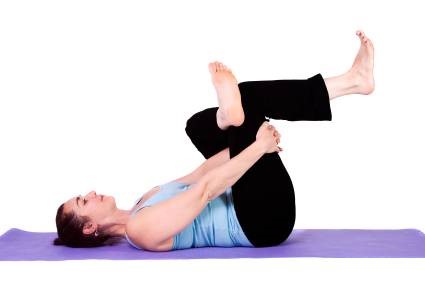 Reclined Bound Angle If you have tight hips, try placing blocks or a folded blanket underneath your knees or placing your feet further away from your tailbone. 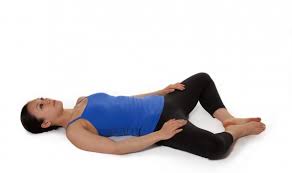 6. Try a gentle inversion. Legs Up the Wall [FONT='Helvetica Neue',Helvetica,Arial,sans-serif] [/font] 7. Wind down at the end of your practice with a body scan meditation. Body Scan for Sleep meditation (12 minutes) If you're still stressed, check out Yoga Poses for Stress Relief. Connect with Dr. Wei: Facebook / Twitter / Harvard Medical School Guide to Yoga -- This feed and its contents are the property of The Huffington Post, and use is subject to our terms. It may be used for personal consumption, but may not be distributed on a website.  More...
|


 Linear Mode

