
|
|
|||||||
| Register | FAQ | Calendar | Today's Posts | Search |
 |
|
|
Thread Tools | Search this Thread | Display Modes |
 04-07-2012, 03:13 AM
|
|||
|
|||
 Obama Embraces National Security as Campaign Issue

|
|
#1
02-08-2016, 02:59 PM
|
|||
|
|||
How We Eat When No One Is Watching
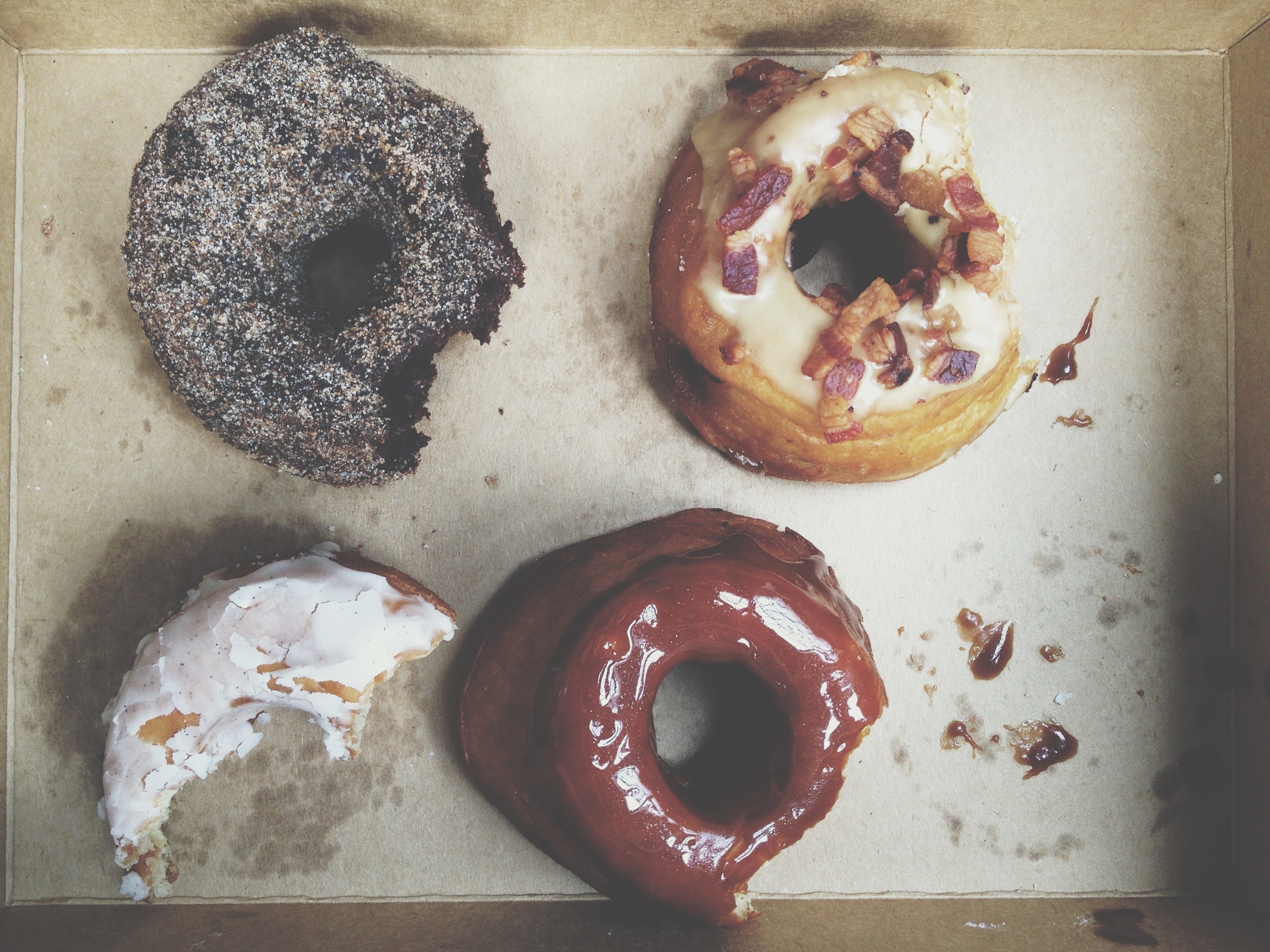 All names of patients have been changed to protect confidentiality, in addition to specific and identifiable details of their profession and age.
Why are these stories important? Because at the heart of them rests the mysterious and idiosyncratic relationship we have with food when there are no witnesses. These are the moments when we are the only observers of these acts. We often talk about "dancing like no one's watching" to represent the liberating spirit in which, free of judgement, we give ourselves permission to truly release. The way we eat when no one is watching can be viewed in a similar light. Sometimes what is different when no audience is present is the pace at which we shovel food into our mouths. Sometimes it's the quality of food we reach for. Sometimes, it's the activities we engage in while we're eating, such as binge watching trashy shows on Netflix, spending embarrassing amounts of time on Facebook, or eating straight from the pot, standing over the kitchen sink. But very often, the most significant differences are unobservable, quite invisible even to ourselves, and potentially all consuming: a confusing combination of liberation and shame. Without the fear of others' perception of us, we liberate ourselves from the burden of performance and feel strangely empowered while also at the mercy of our socially unaccepted choices. Part of our shame stems from a deeply ingrained belief that our behavior is abnormal, odd, and if exposed, would be viewed as disgusting. In a culture where social media boasts immaculate snapshots of healthy lifestyles (of which I am guilty), cookbooks and blogs talk about how easy it is to produce well-balanced meals with locally sourced ingredients, it's not surprising that many of us feel there's something amiss if all we happen to want is packaged ramen with hotdogs or donuts with canned corn chowder. Especially living in a city such as San Francisco where there is an abundance of good food, fresh produce, and an endless resource of food blogs and video tutorials, it almost feels like there's no excuse to eat "poorly." And so we continue to eat our shame in bed when no one is watching, telling ourselves that no one could accept our weird eating behaviors and in fact, might be downright repulsed. Since I have the privilege of listening to people's shame everyday, I can say with confidence that no one is alone in their weirdness or abnormalities. And by that definition, there is no such thing as abnormal since we all, more often than not, exist in strange and undemocratic ways, be it about food or anything else. Shame can only survive in isolation and when we take a bold and courageous step towards inviting those we trust into our private worlds to witness our discomposure, we can begin transforming shame into deep connection, healing, and love.
What was once an incredibly lonely journey when both Kim and Dave stewed alone in their shame, they now allowed one another to bear witness inside a treasure box of hidden insecurities and unvoiced wounds. Jessica, the entrepreneur, confessed to her husband she's been hiding pizza boxes for the last two years and he quietly and gently held her as she tears of relief poured out while she exposed her shame. Justin, the PM, found the courage to share his narrative with a close friend who now brings In-N-Out animal style burgers and fries every time he goes over, a symbolic demonstration of solidarity with Justin's shameful ritual. Oh and remember Maddy, the food photographer I spoke about earlier? That was actually yours truly. I have since admitted openly to many of my friends my love for McDonald's fish fillet and I along with several other friends devised a strategy for catching the crumbs while eating in the car, pivoting our bodies when we open the door with our legs squeezed tightly, and thrusting our hips out in one fluid motion so as to most efficiently get rid of even the smallest of shame particles. So ask yourself, how do you eat when no one is watching? ------------------- If you're struggling with an eating disorder, call the National Eating Disorder Association hotline at 1-800-931-2237. -- This feed and its contents are the property of The Huffington Post, and use is subject to our terms. It may be used for personal consumption, but may not be distributed on a website.  More...
|


 Linear Mode

