
|
|
|||||||
| Register | FAQ | Calendar | Today's Posts | Search |
 |
|
|
Thread Tools | Search this Thread | Display Modes |
 04-07-2012, 03:13 AM
|
|||
|
|||
 Obama Embraces National Security as Campaign Issue

|
|
#1
02-29-2016, 08:32 PM
|
|||
|
|||
How to Create a Winter Sanctuary for Backyard Birds
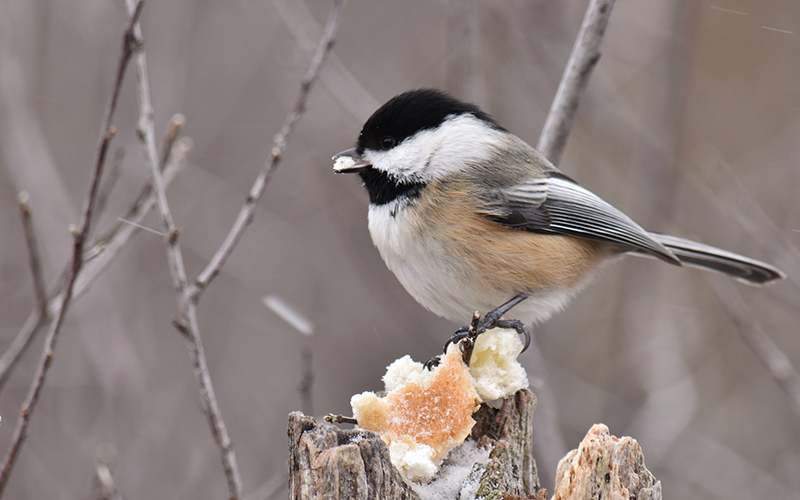 by guest blogger Toni Becker, member of the Rodale's editorial team Welcome to the long days of winter! As you hunker down in your home and wonder if spring will ever arrive, take a moment to think about your feathered friends. While many people think birds can fend for themselves when the weather gets dicey, the truth is, they need our help. Finding shelter, foraging for food and water, and fending off predators can be daunting tasks in frigid, snowy weather--especially when you're focused on just getting warm. Every region has its own special birds, but there is a core group that shows up nationwide during winter. Those are chickadees, doves, goldfinches, house finch, jays, juncos, nuthatches, native sparrows, titmice, and woodpeckers. How can we ensure they are well cared for when temperatures drop and conditions get bad? We can start by providing the basics. 1. Food Most winter birds are seedeaters, so make sure to keep a variety of seeds on hand, particularly those that are high in fat. Black oil sunflower seed is universally pleasing, takes little effort to eat, and is a great energy booster. Peanuts are also good. With insects scarce or absent, suet is an excellent high-calorie food that can prove invaluable to birds' survival. You can also create your own homemade mixes using peanut butter, mealworms, canola oil, or cornmeal! Dried or fresh fruit is also a welcome addition for lingering fruit eaters. Try offering it with this Wire Twig Hanging Fruit Spear! Tips:
Water is scarce in winter, and birds expend a lot of energy trying to convert it from snow. Help them out by adding hanging or freestanding birdbaths around your yard and keeping them supplied with fresh water. To keep the water from freezing, use a heated birdbath or one that continuously circulates the water. Tip:
In winter, birds seek out enclosed spaces that will help them retain body heat. Cozy birdhouses like this Coconut Fiber one are great for wrens and other small birds, as is this Birdhouse Kit. Fallen branches, dead gardens, and piles of shrubs can be a winter paradise for birds. Add a log or keep a few unattended piles of dead branches in your yard to give birds a place to burrow when times get tough. You can also keep your garden intact after your last harvest. Depending on what you leave, birds can munch on the remaining seeds. Tips:
Cats pose a real threat to birds, and are especially troublesome in wintertime, when birds need to reserve their energy and not waste it trying to get away. If you have cats, keep them indoors. If stray cats frequent your yard, get diligent about shooing them away. Loud noises, a bit of chasing, or annoying garden sprinklers will deter them from venturing into your backyard. Another danger to birds is large glass windows. Birds regularly fly into them, sometimes while trying to evade predators. Put a barrier between birds and windows, use window screens, or hang reflective ultraviolet stickers. Tip:
 Toni Becker is a part-time content creator at Rodale's. She is also the personal chef, event planner, chauffeur, and best of all playmate to her young daughter. Her family of three lives in the woods where she finds time to write, cook anything she can from scratch, garden, and build her case of why she needs goats. Toni Becker is a part-time content creator at Rodale's. She is also the personal chef, event planner, chauffeur, and best of all playmate to her young daughter. Her family of three lives in the woods where she finds time to write, cook anything she can from scratch, garden, and build her case of why she needs goats.Adapted from Backyard Bird Secrets and The Backyard Bird Lover's Ultimate How-To Guide, both by Sally Roth. For more from Maria Rodale, visit www.mariasfarmcountrykitchen.com -- This feed and its contents are the property of The Huffington Post, and use is subject to our terms. It may be used for personal consumption, but may not be distributed on a website.  More...
|


 Linear Mode

